Revamping the entire platform was an imperative decision made by the management to elevate the technical infrastructure and enrich the user experience.
2025
Senior UX Designer
Figma, Condens, Excel, Doc
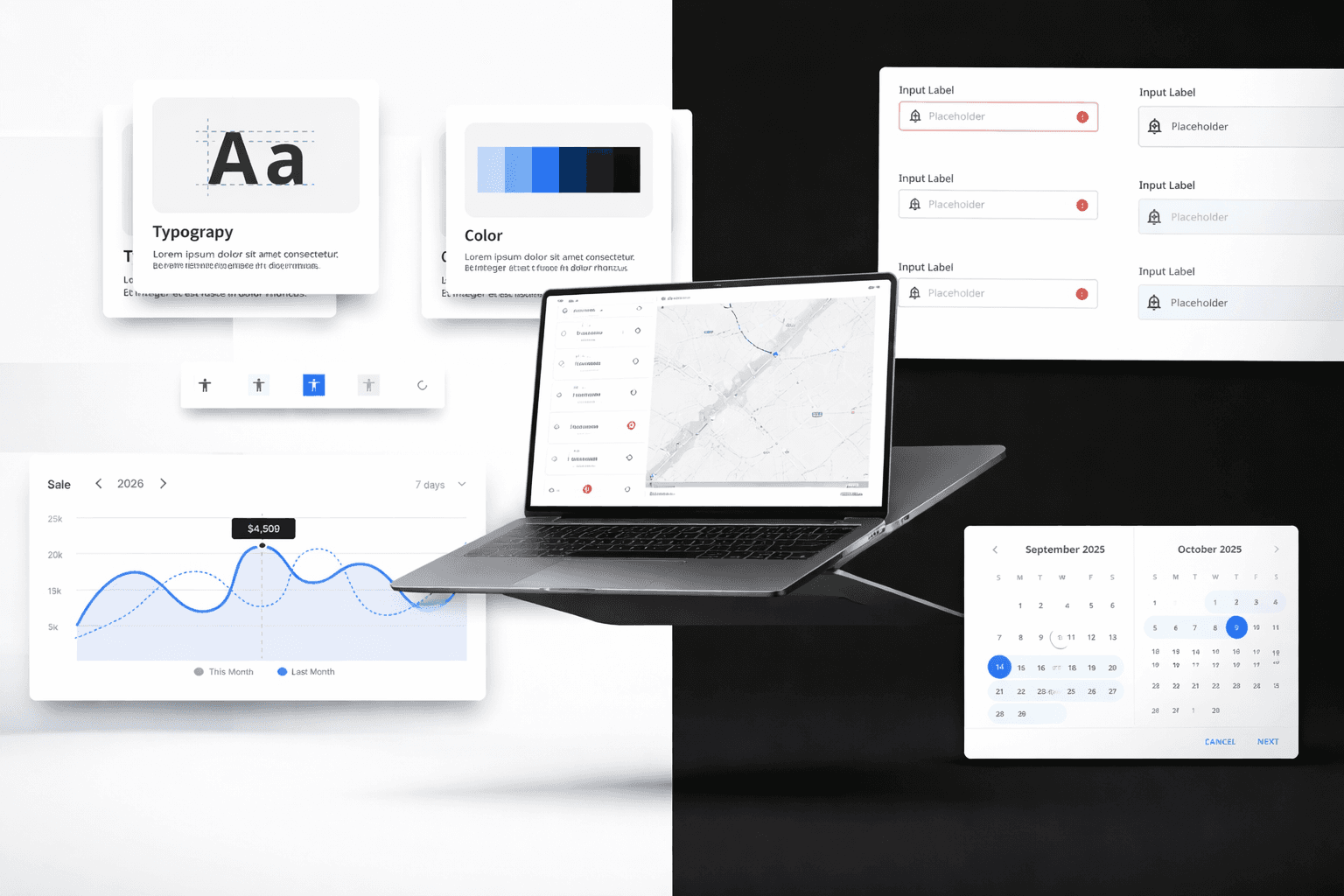
Revamping the entire platform was an imperative decision made by the management to elevate the technical infrastructure and enrich the user experience.
2025
Senior UX Designer
Figma, Condens, Excel, Doc
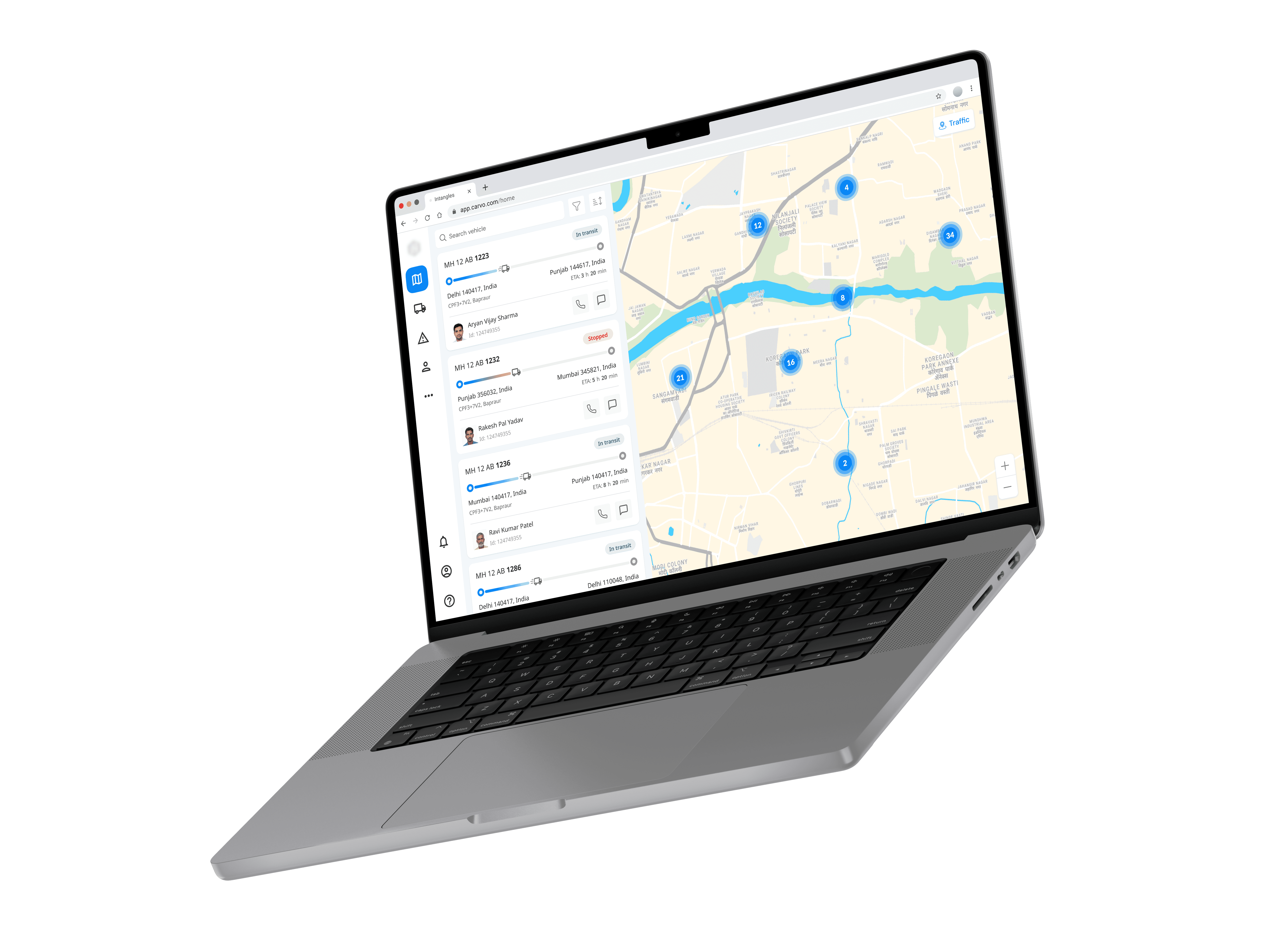
Revamp is a crucial step in upgrading our platform’s content, structure, format, navigation to significantly enhance user experience, performance and building a design system. As part of this process, my role is to ensure a smooth and seamless user experience throughout the platform.
The revamp was a successful upgrade of the platform while retaining the existing user base and helped in getting new users.
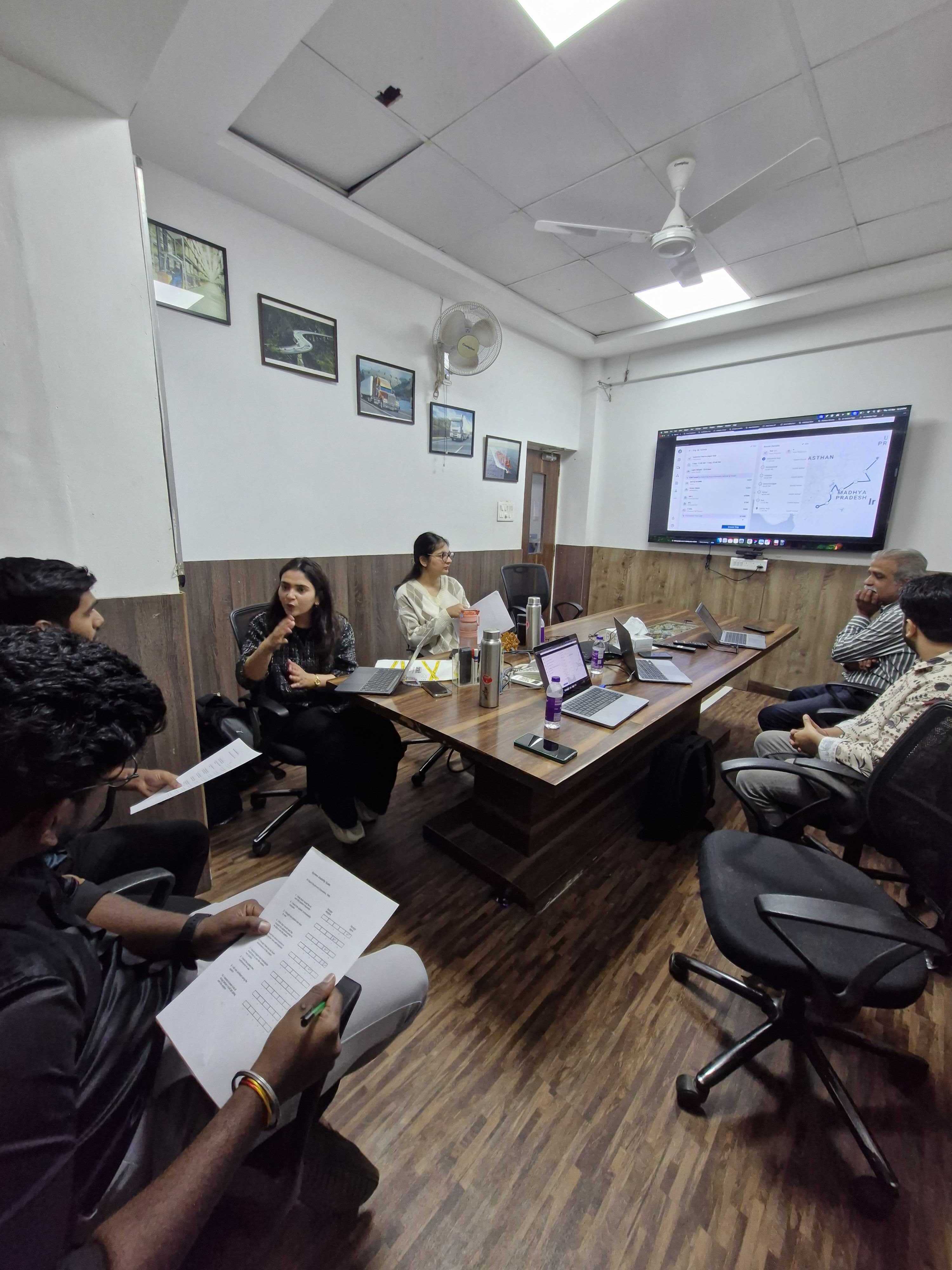
We visited user on field and did virtual meetings, took interviewed in-order to find the specific problem in workflow that they use in their day to day life

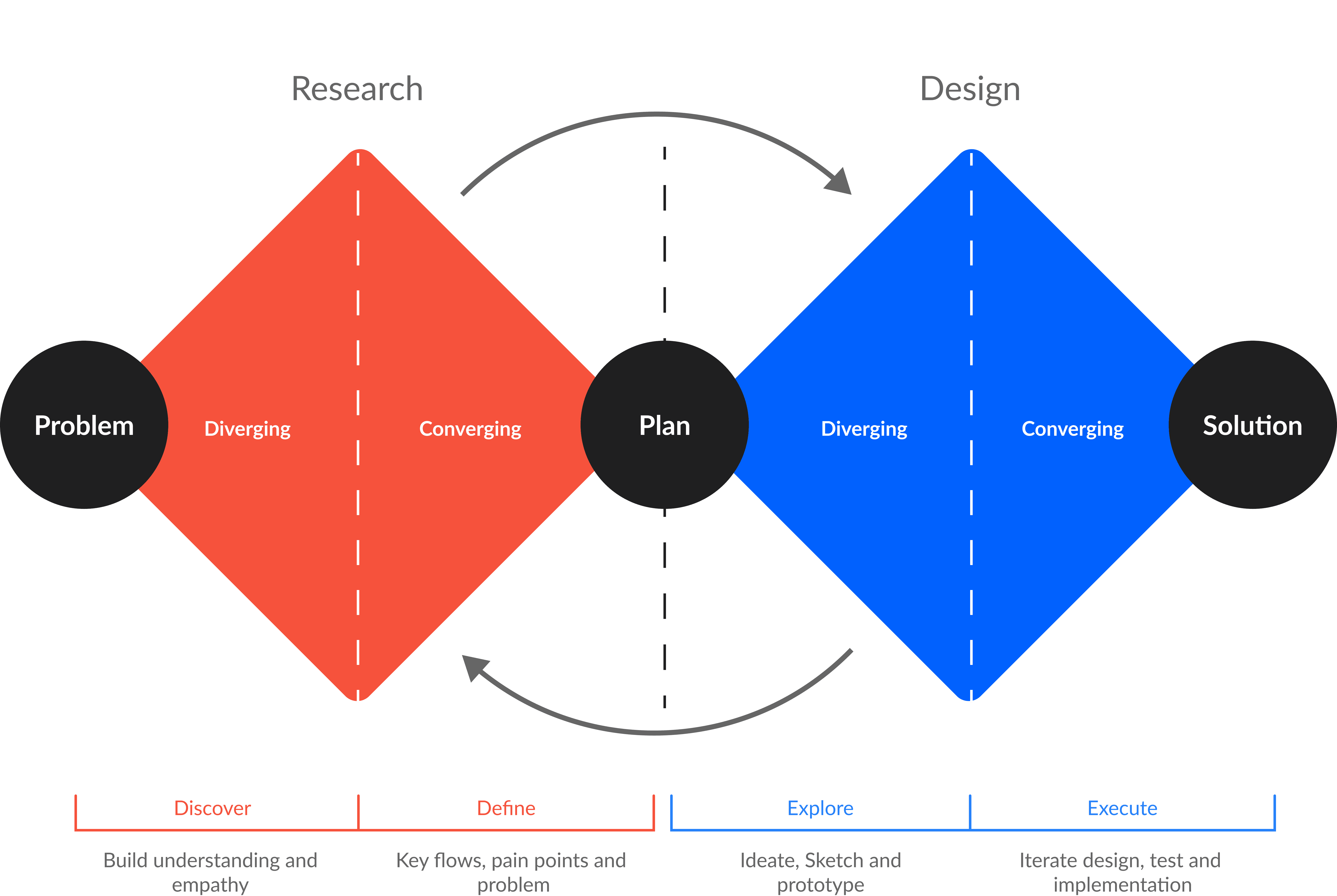
We audited the existing platform using usability heuristics to identify usability issues, inconsistencies, and opportunities for improvement.
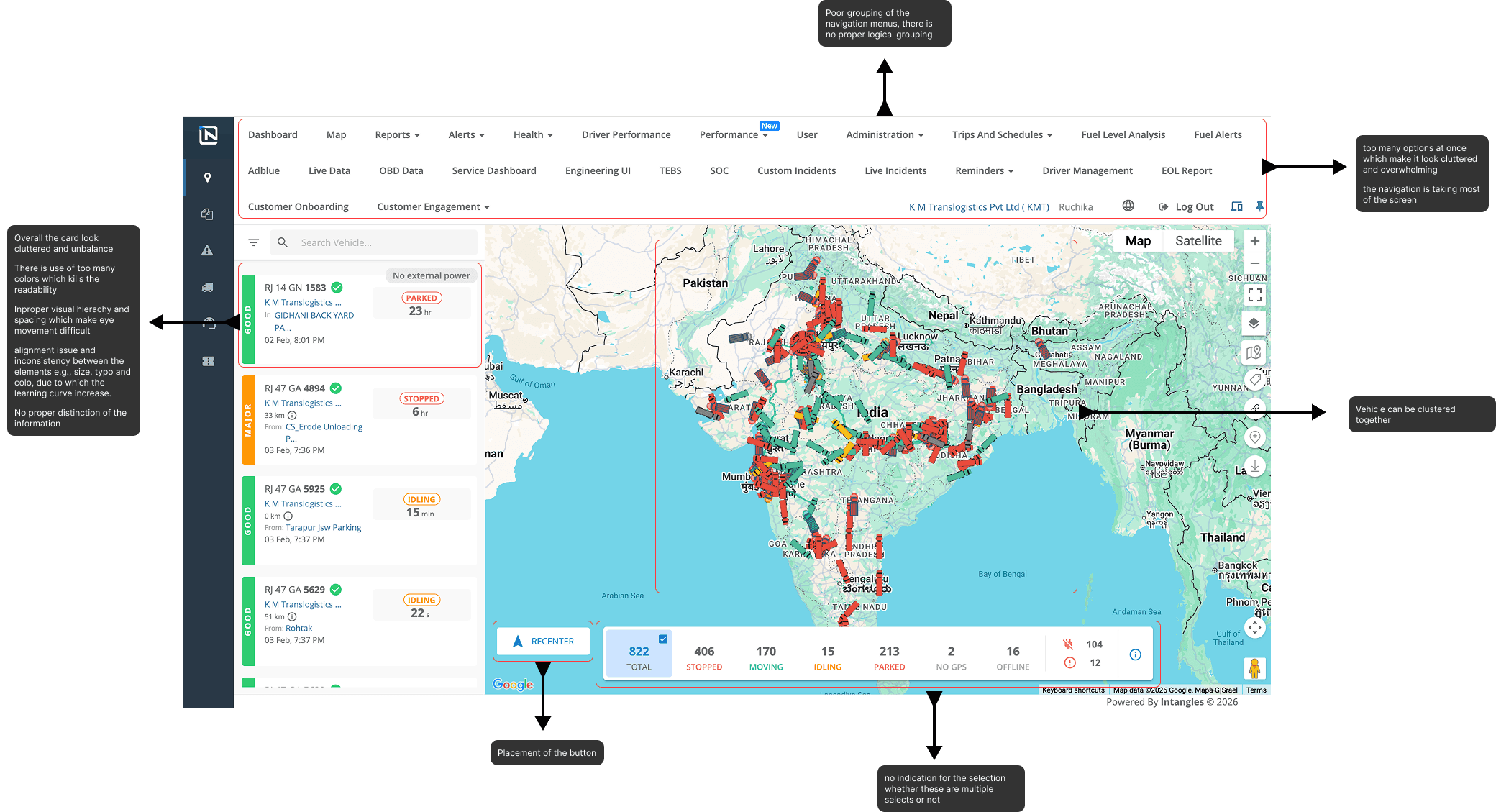
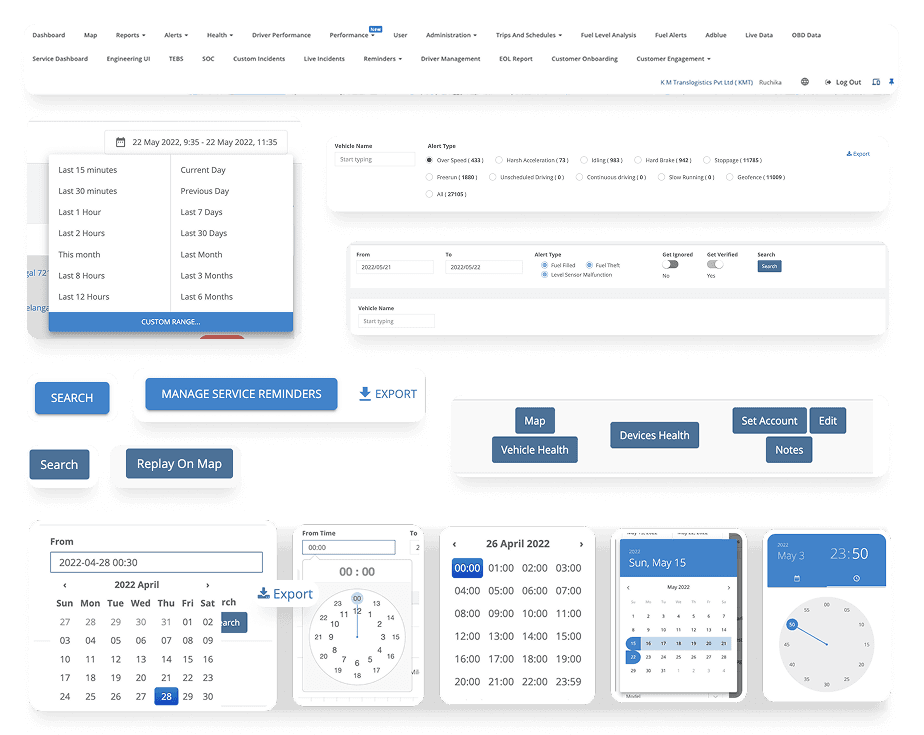
Over time, multiple features were built independently, leading to inconsistent patterns, interactions, and visual styles across platform.
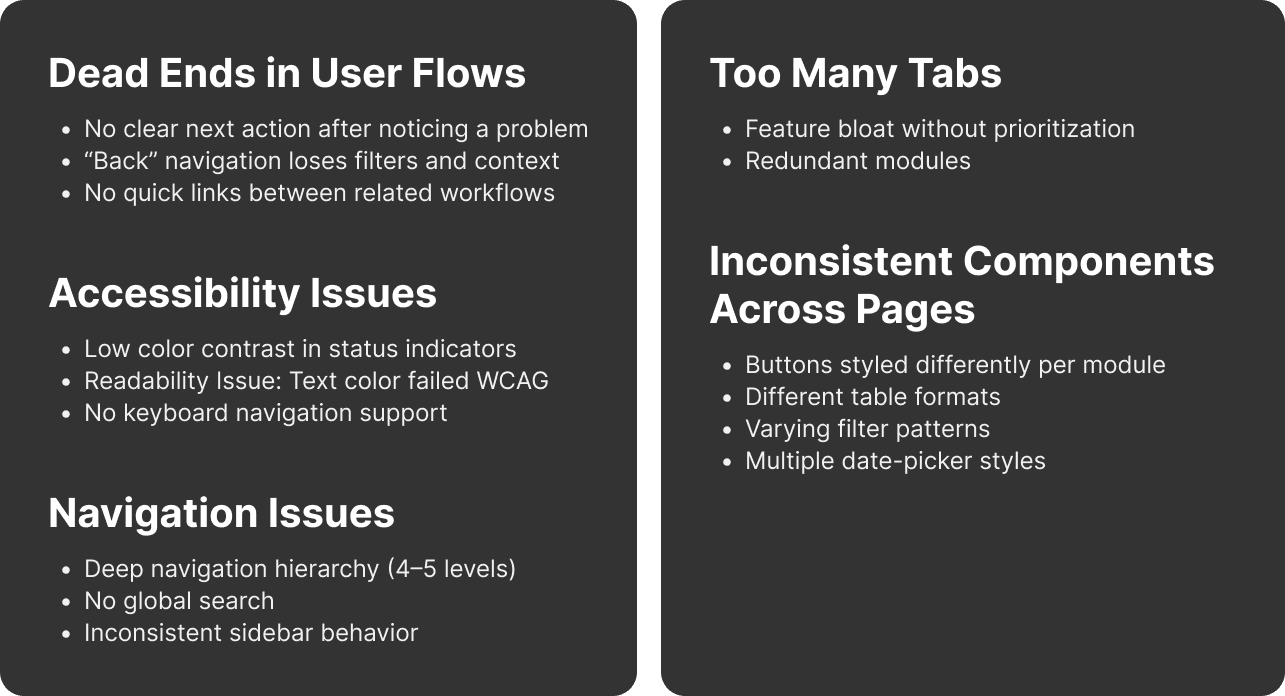
Analyze the findings to highlight the most critical usability issues impacting user experience and workflow.
Phase 1: To improve the current platform with minimum effort and high impact work.
Phase 2: Entire redesign of the platform
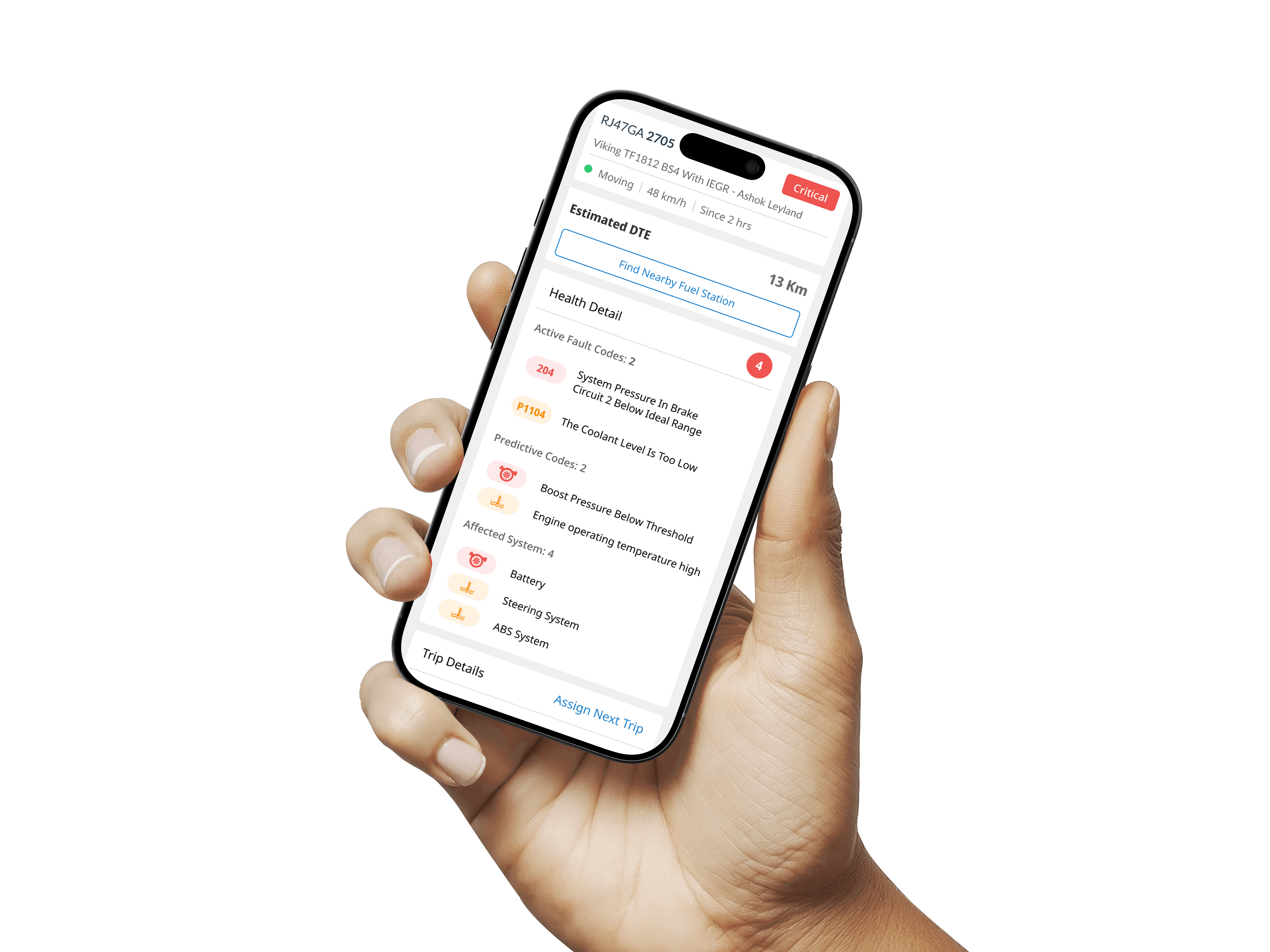
Centralized Design System
Simplifying Information Architecture
Inroducting persistent breadcrumbs, global search and smart filters
Applying WCAG Principles
Role-based dashboard customization
Leverage Mixpanel event tracking to fullest
Added new features like smart reports and notification etc.
We started by prioritising features and pages based on weighted scoreing system, moving away from subjective decisions to a data backed roadmap.
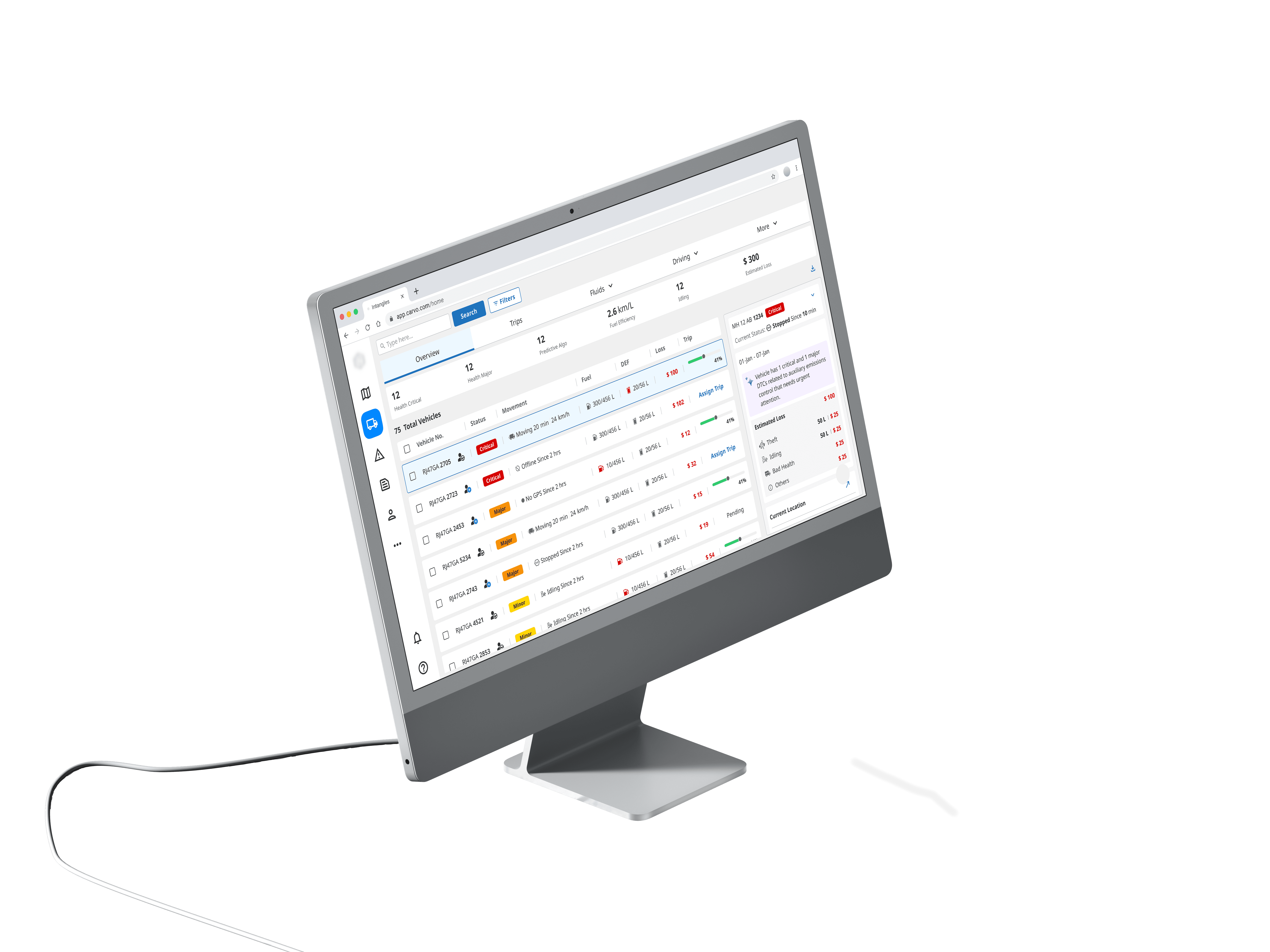
Goal: Move from reactive operations to proactive, data-driven fleet intelligence.
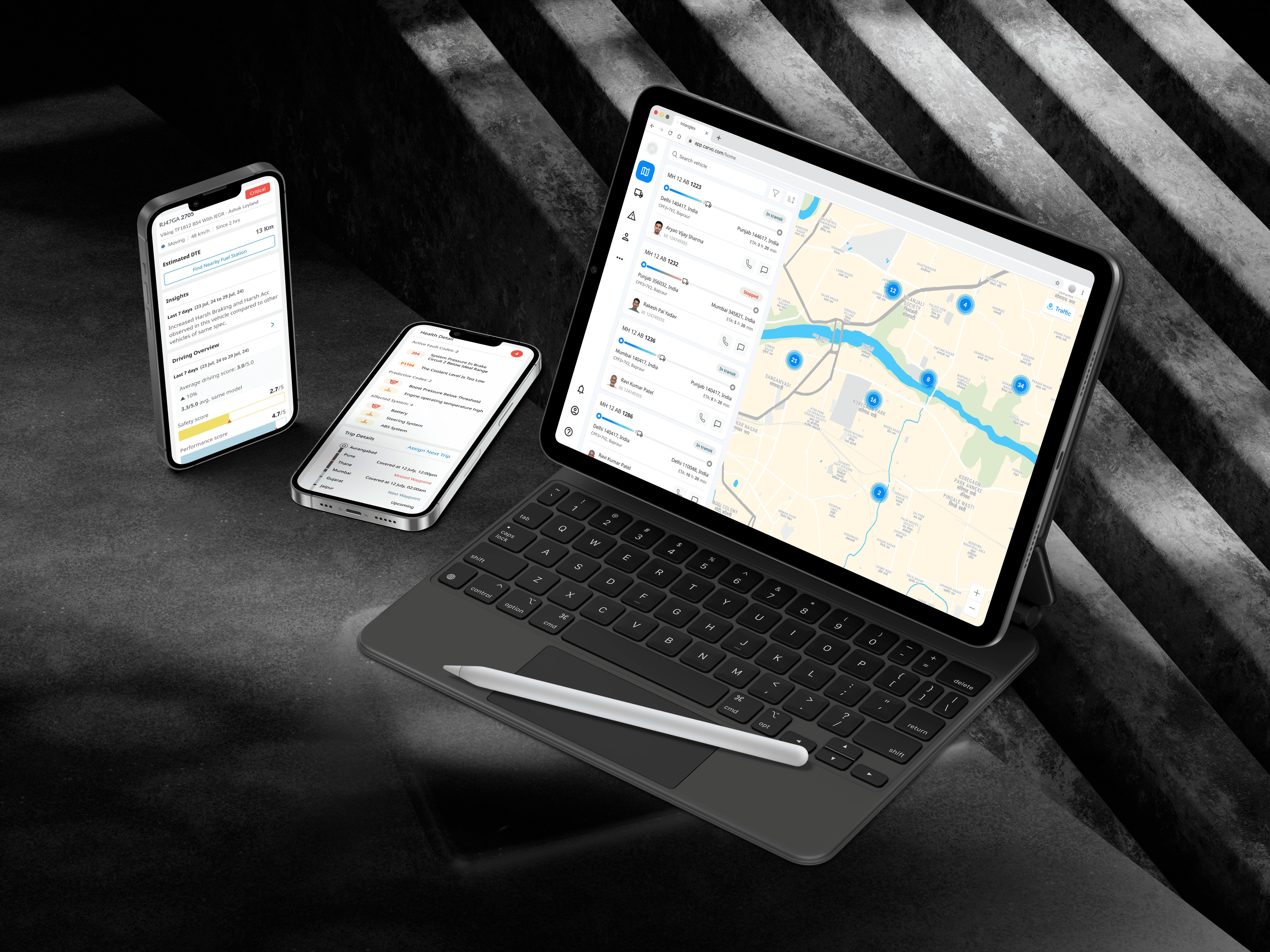
The redesign wasn’t just about improving the interface. It was restructuring how the product worked in users’ minds, shifting it from scattered features to a unified ecosystem.
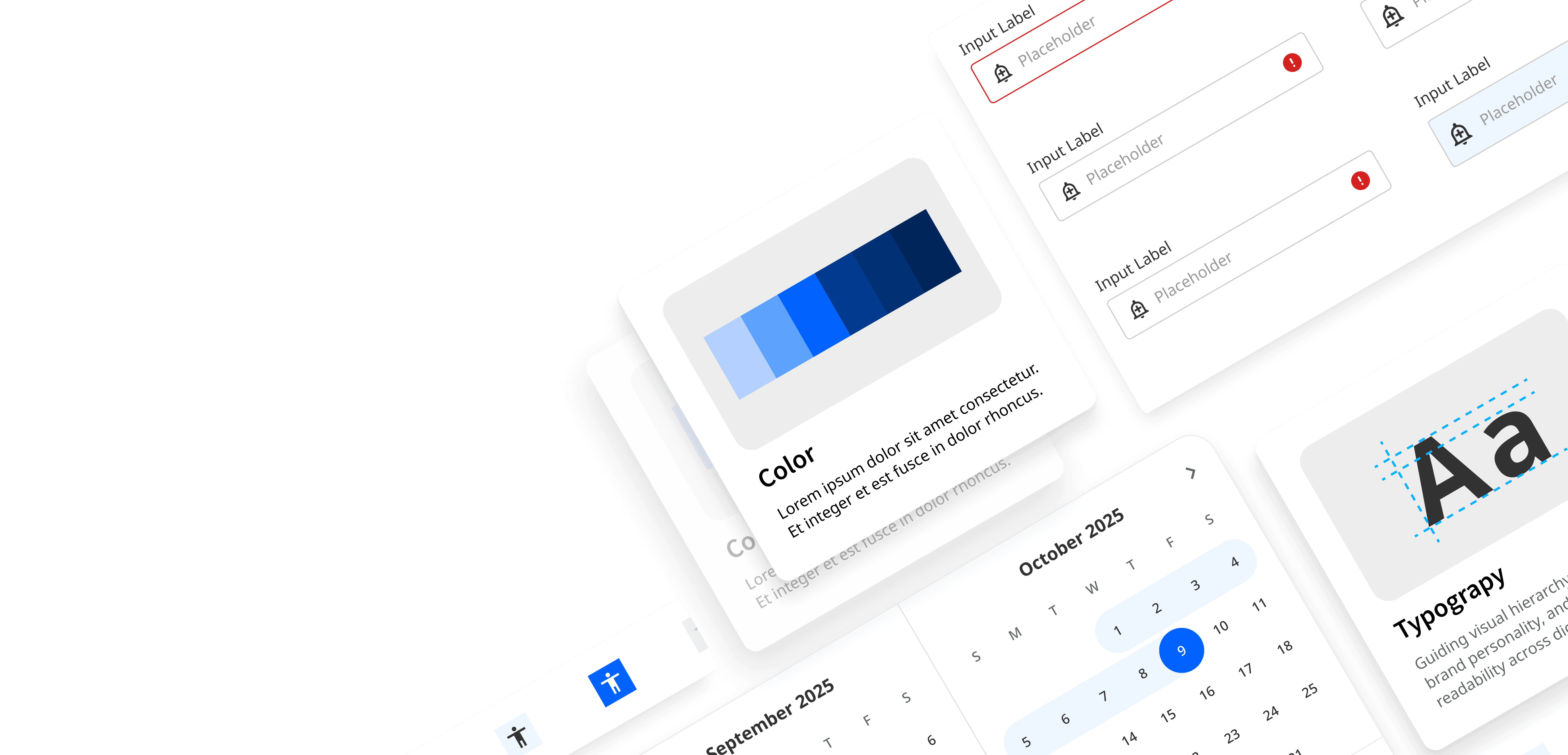
The platform had no design system. Each module used different components, layouts, and interaction patterns, leading to an inconsistent and fragmented experience.
We established a scalable design system, defining reusable components, consistent interaction patterns, and a unified visual language. This improved usability for users and accelerated feature development for the product team.
The legacy platform created “dead ends” pages that stopped users from continuing their investigation. If an anomaly appeared in a report, users had to leave the page, navigate elsewhere, and reconstruct the same filters.
We redesigned the experience around contextual navigation, turning data points into interactive drill-downs. This connected previously isolated modules and enabled continuous investigative workflows, allowing users to move from insight to action without losing context.
Over time, the client-specific customizations created a bloated interface where every user saw every feature.
We led a feature weightage exercise, evaluating each feature based on usage patterns and business value. Features with low relevance were deprioritized or hidden, which significantly reducing cognitive load.
Outcome: This streamlined the interface and significantly reduced cognitive load, helping users focus on the tools that mattered most.
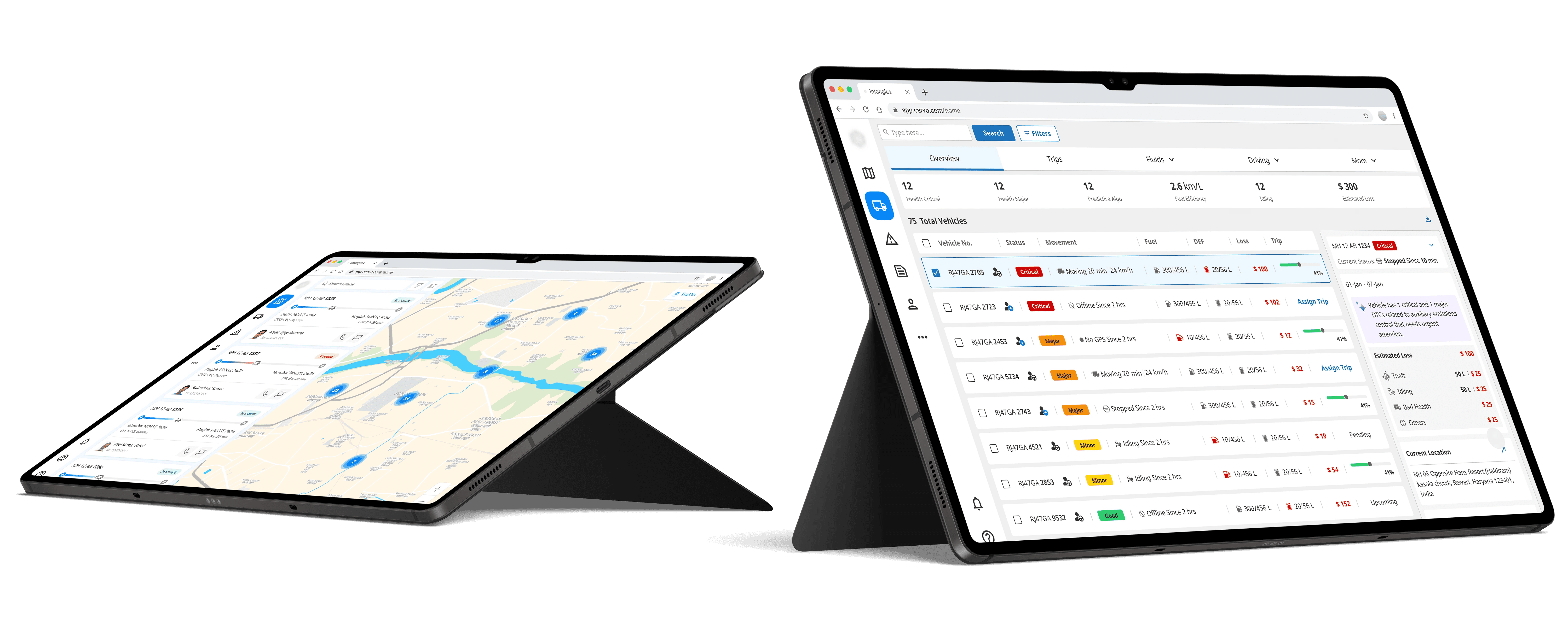
Not every feature deserves equal visibility. Prioritizing features based on user needs and business value is essential to reduce cognitive load and create a focused product experience.
Feature bloat is not just a product problem, it’s a usability problem. Regularly evaluating features through usage data and user needs helps maintain a clean, scalable interface.
Design is not only about adding functionality but also about making deliberate decisions on what to hide or deprioritize. Strategic simplification can significantly improve usability.
Goal: Reduce friction, improve usability, and increase operational efficiency without changing core architecture.